An Essay: First Snow

The days before the first snow at the farm are full of activity. The staff scrambles around the farm tucking away tools, winterizing machinery, and stacking firewood. The animals need to be moved to their winter homes, old barn windows need to be sealed, the last leaves need raking, and every last hose needs to be located and drained and wound up and put away and we rush to get it all finished before dark! And then everything is done. The first flakes of the season fell last night. They were welcomed by a farm ready for a winter’s rest.

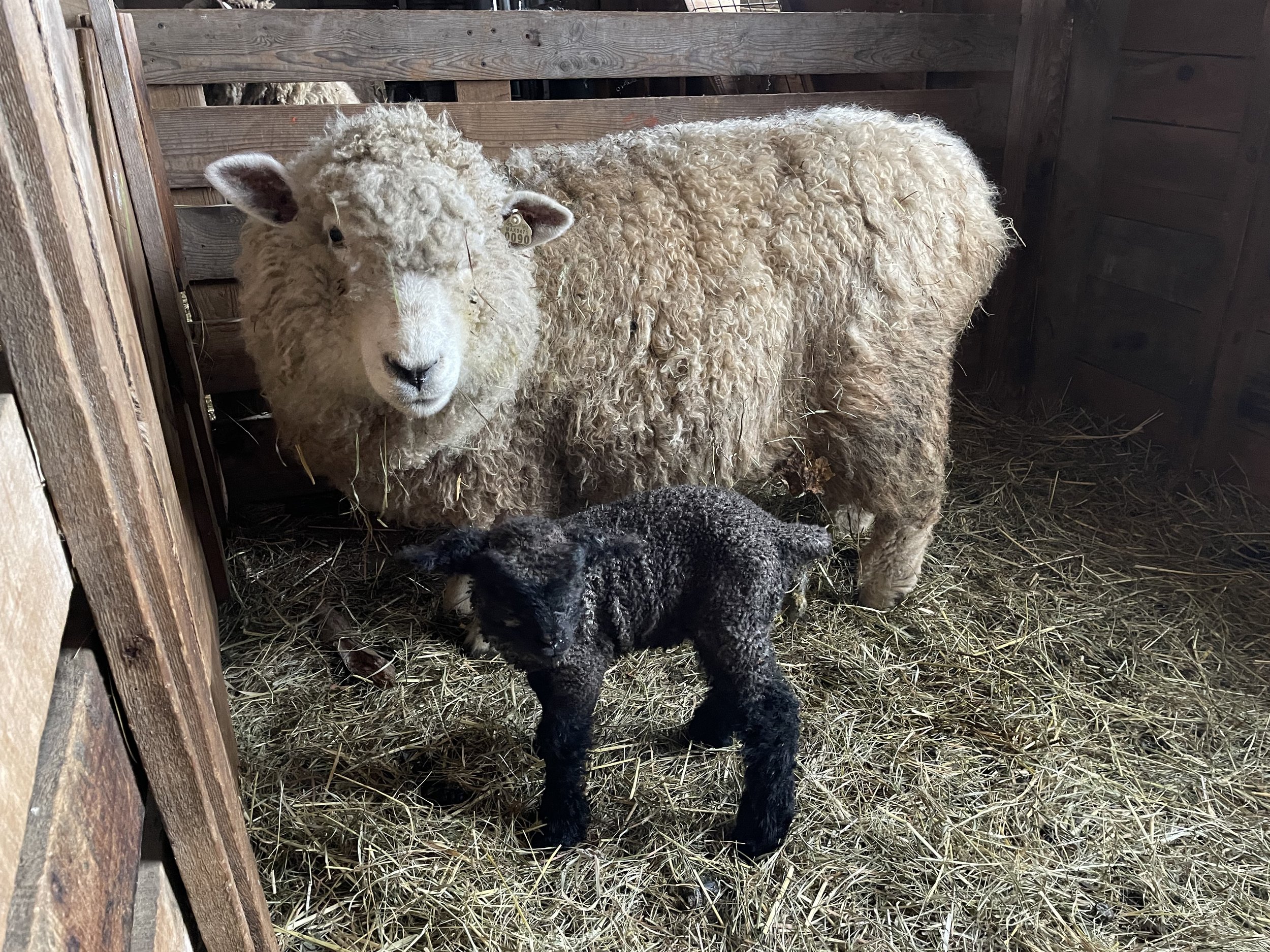
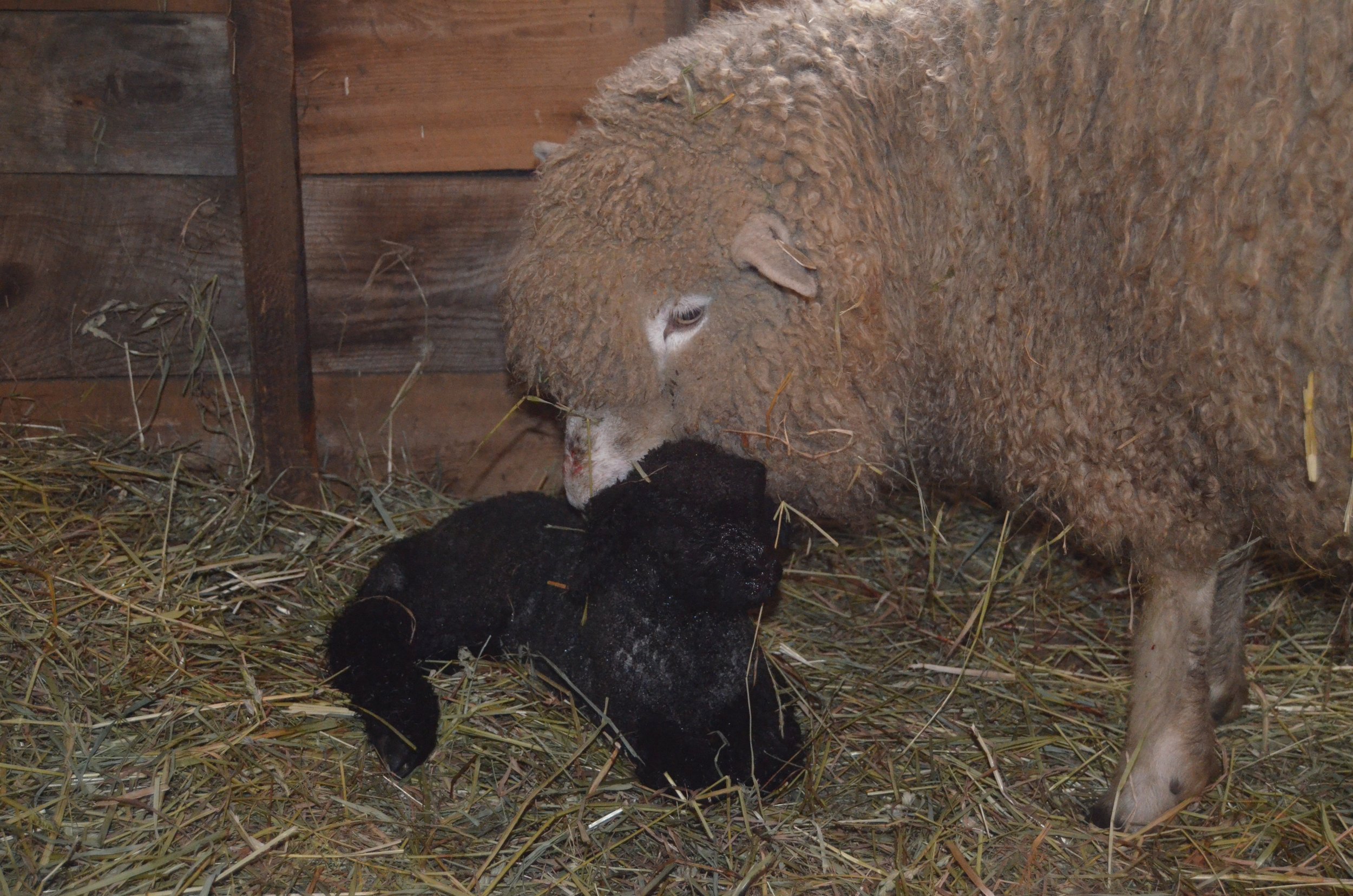
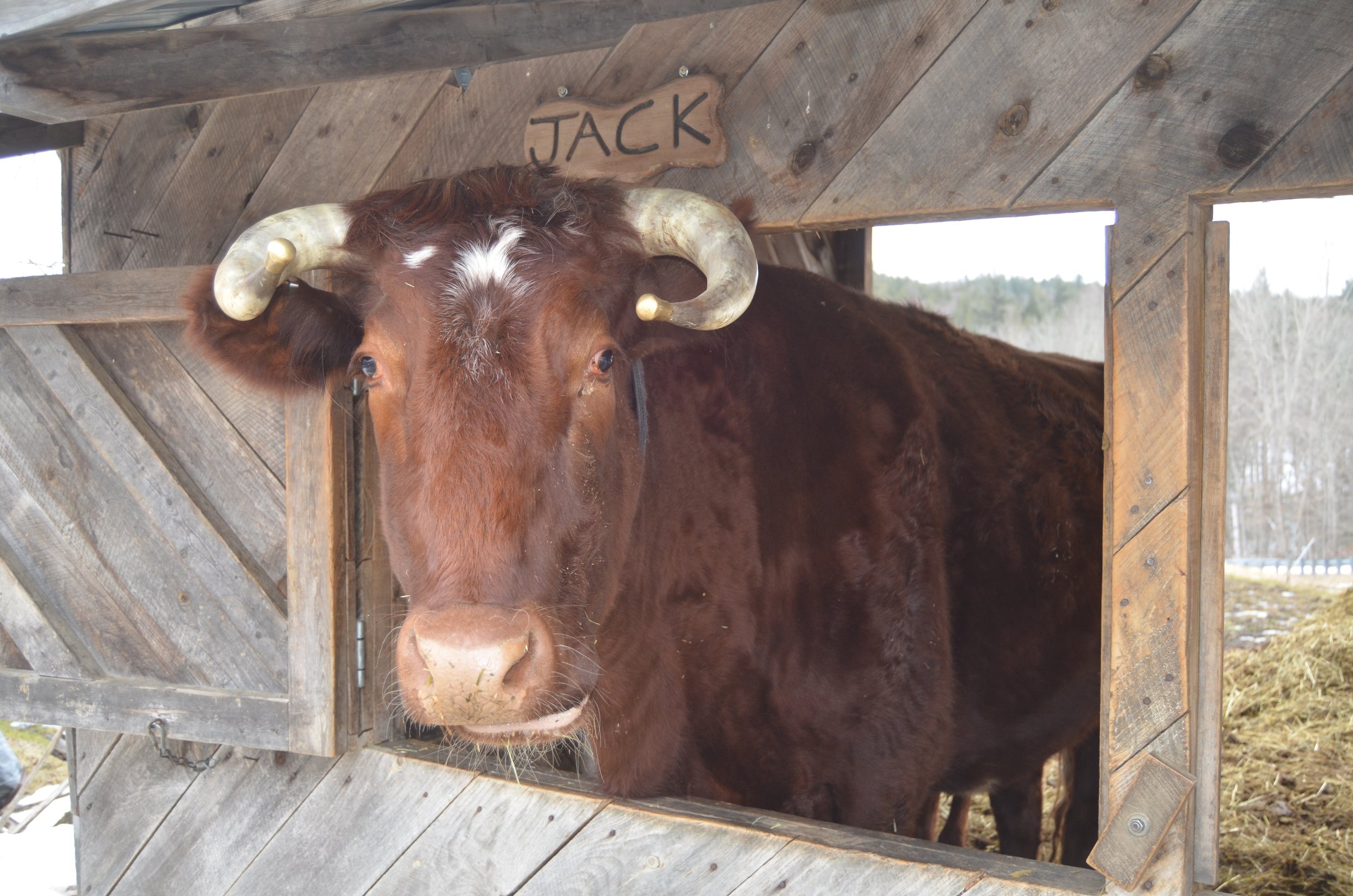
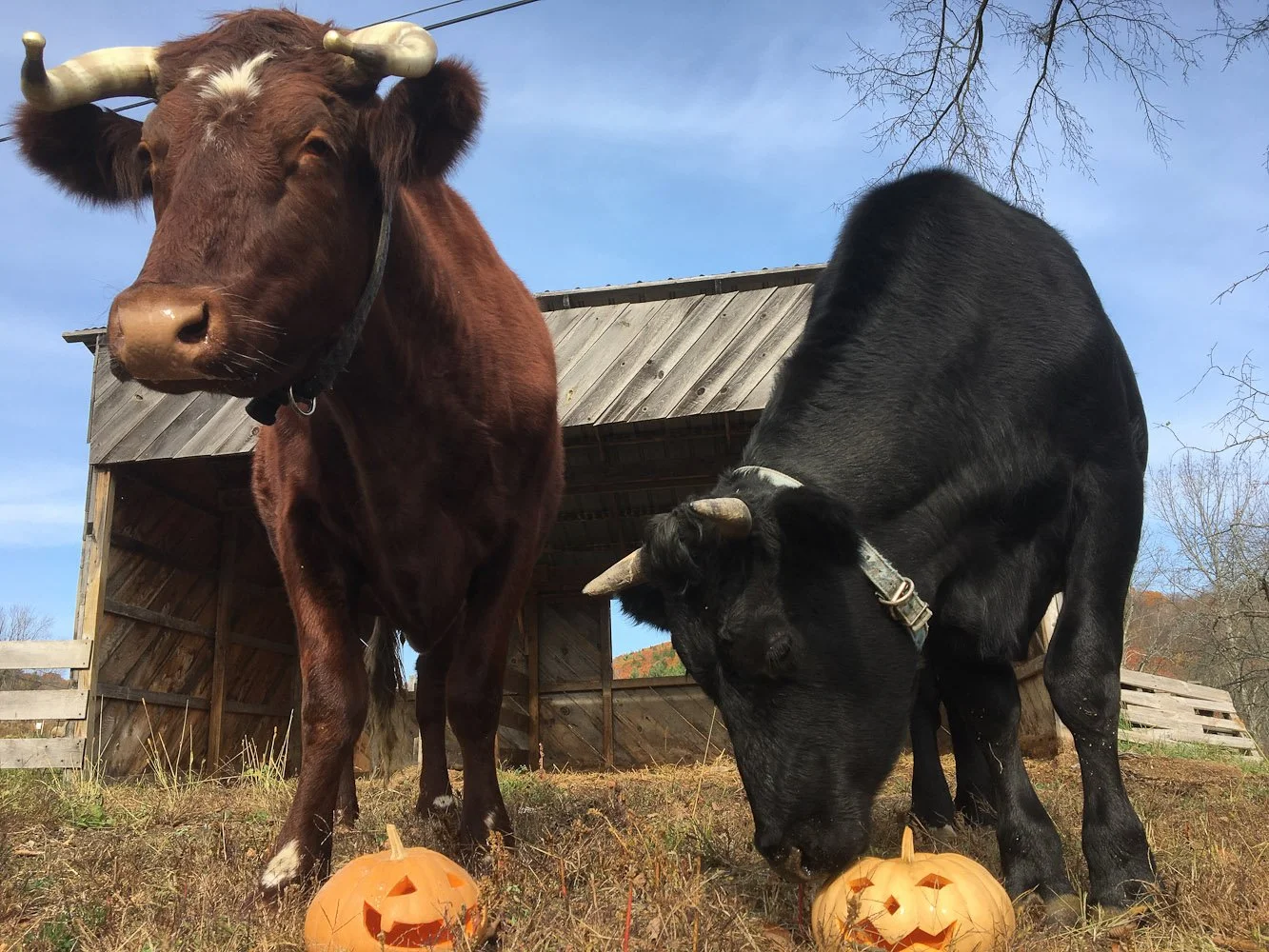
I arrived early this morning to a peaceful, snowy farm. Jack and Thor the oxen are in their winter quarters. They don’t seem to mind the snow. They are much more interested in who will bring them breakfast and just how soon it will arrive. The sheep are in the next barn over. They have all spent the night inside and their fleecy bodies have made the barn toasty. The majority of our ewes are pregnant and the barn will be full of bouncing baaing lambs come March. But for now, the sheep barn is still and quiet.

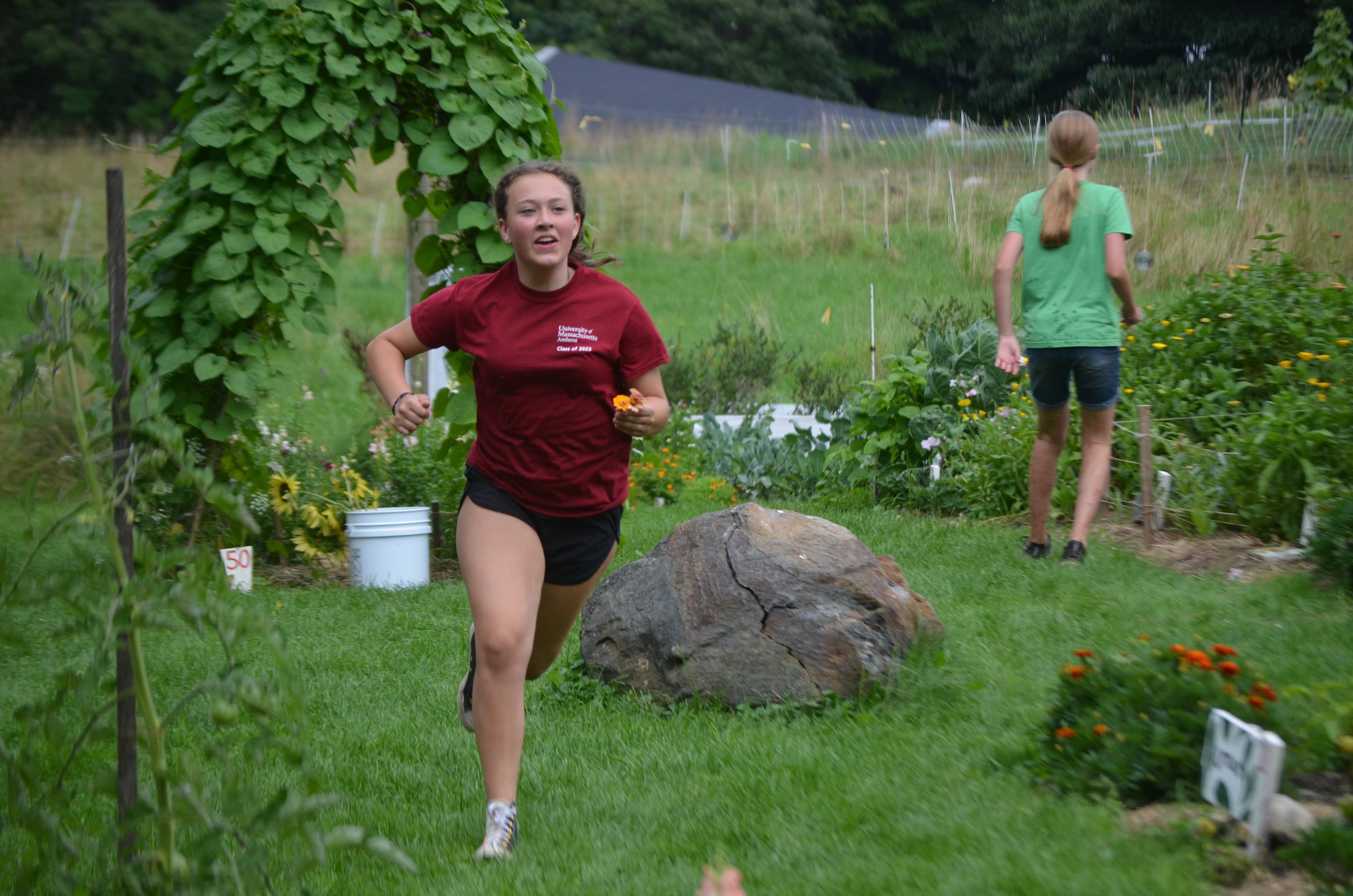
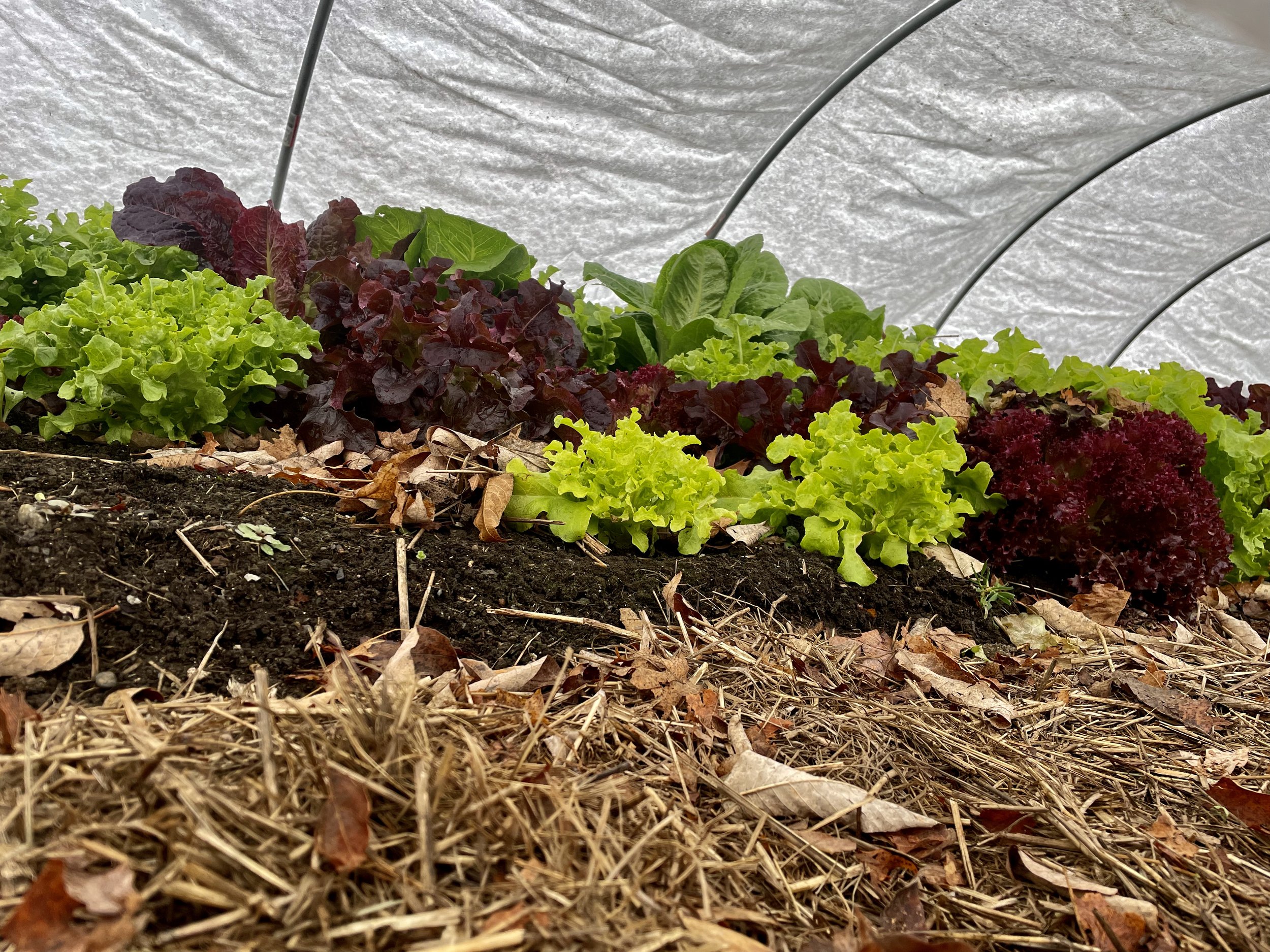
The Garden seems quiet too, but beneath this first sprinkling of snow a few crops still think it is summer. When I peak under a plastic tunnel, I find lettuce still lush and ready for harvest.  If I wanted to, I could dig down in the soil and find carrots sweetened by the cold (I do not want to, it is too early in the morning to eat carrots). These and other hardy vegetables I expected to find still thriving in the garden. But I am surprised and delighted to also discover some cheerful pansy faces in new winter caps, undaunted by the cold.

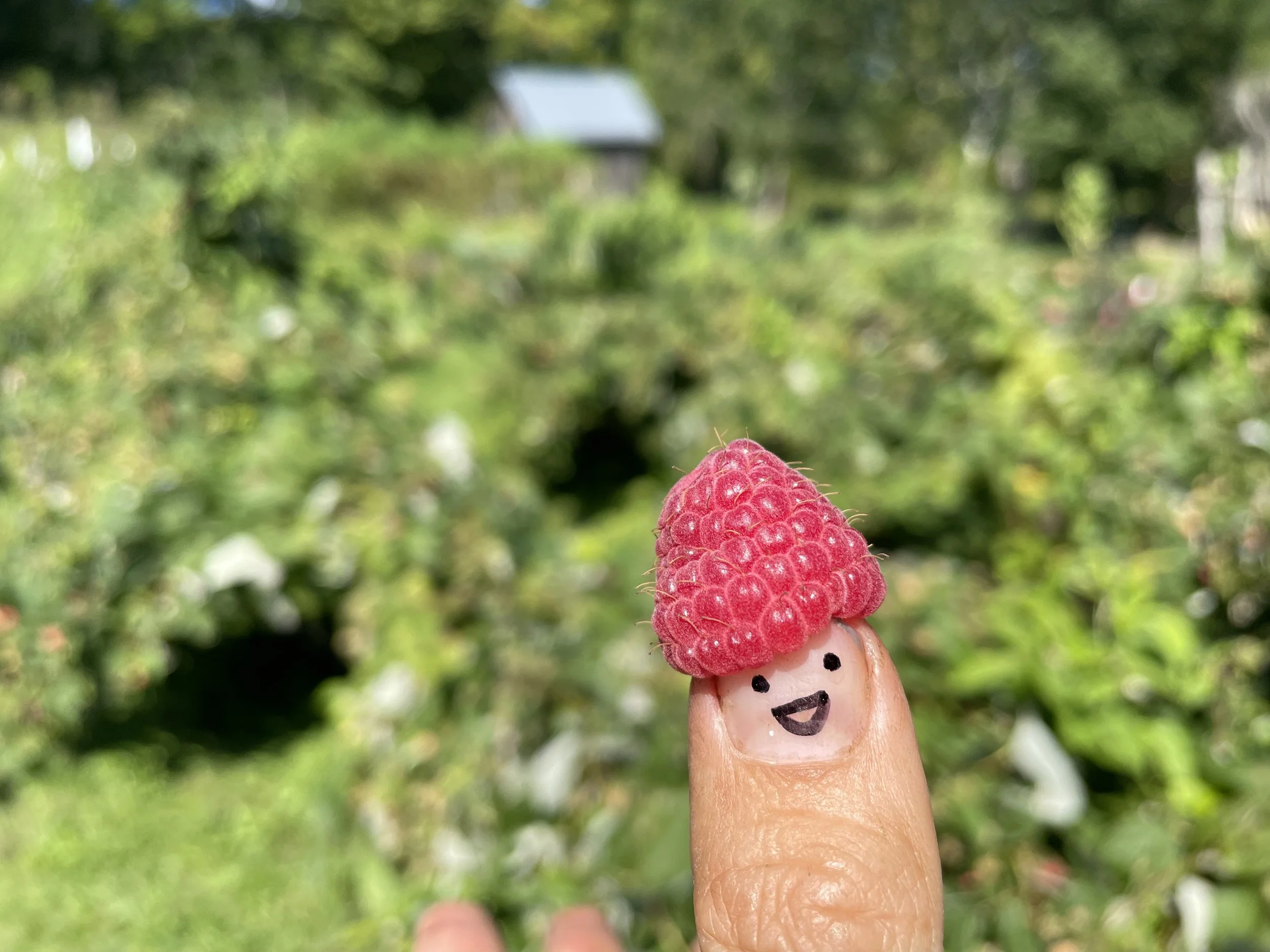
The promise of new growth is hidden everywhere in the garden right now: buds have already formed on blueberry branches, garlic bulbs beneath a layer of straw are sending tiny roots down into the soil, and sturdy, smooth raspberry canes promise heavy yields in the coming year.

The path to the pond tells a story in footprints of animals exploring in the night. One of the farm cats took a stroll across our new bridge to the pond. A bird took off from the ground here, someone was digging with little paws there. The pond is a beautiful mirror of the gray sky and leafless branches. The stream that runs from the pond into the forest is low, exposing rich green mossy rocks.

I could follow the path into the forest, up the hill and down the road, all the way around to our sugar bush. The sugar maples there have feasted all summer long on  sunlight and now they are fat with sugar. They are waiting for the bright and chilly days of February and March to send that sugar running up to their crowns. I am waiting too, sugaring season is one of my very favorite times of year.

As I make my way back towards the farm, I look up and find our new program buildings framed by the opening in the trees. They are nearly complete, the last details coming together just in time for this first snow.

For now, these buildings are empty. Unscuffed, flawless and bare but full of awesome potential. In the spring, they will be filled with children. Bunkbeds with blankets thrown back, boots and jackets dripping in the mudroom, a kitchen bursting with dishes and snacks and joy! We have never had heated sleeping facilities before at the farm, our programs had to end when the warm weather did. Next year, for the first time in Red Gate’s history, school groups will be here to help lambs be born, to tap maple trees and boil syrup, to witness the blueberry buds burst into flower and the first green shoots erupt from the soil.

It is a quiet, snowy day at the farm. But I feel and see nascent potential all around. The animals, the garden, the forest, and the new program building and dormitory are all whispering about the year to come. A year full of growth, and discovery, and hard work, and fun.

February Break 2022

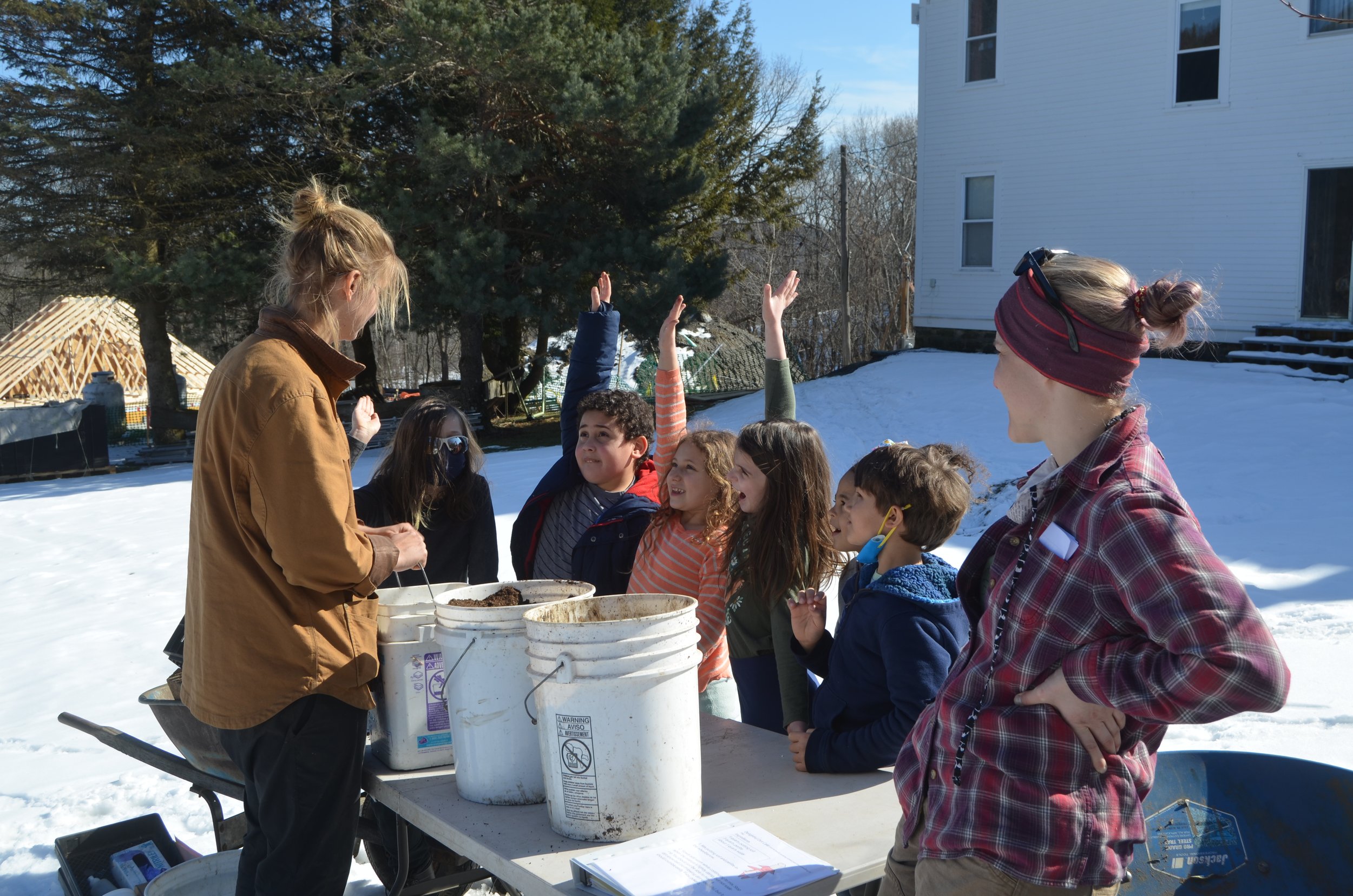
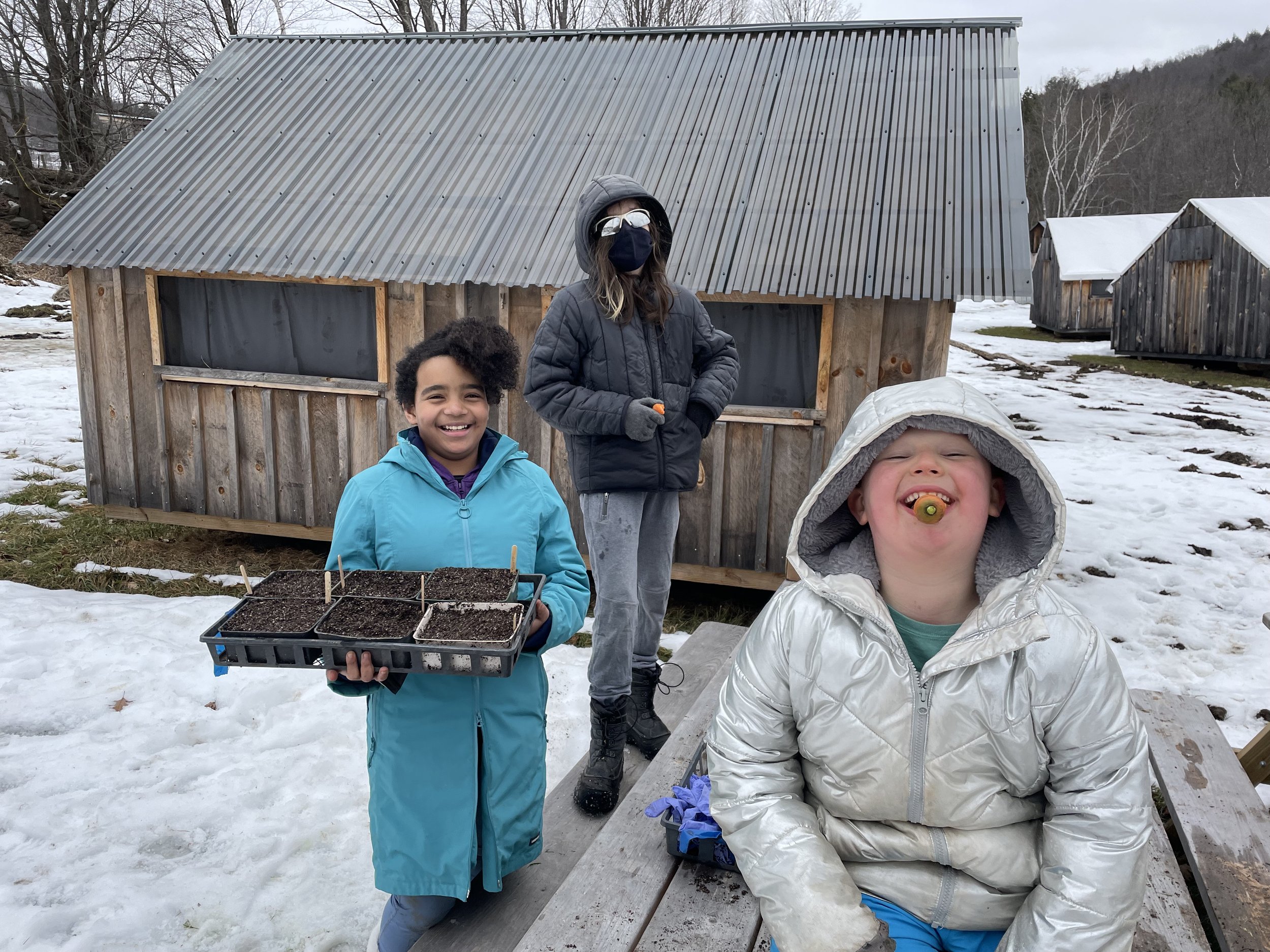
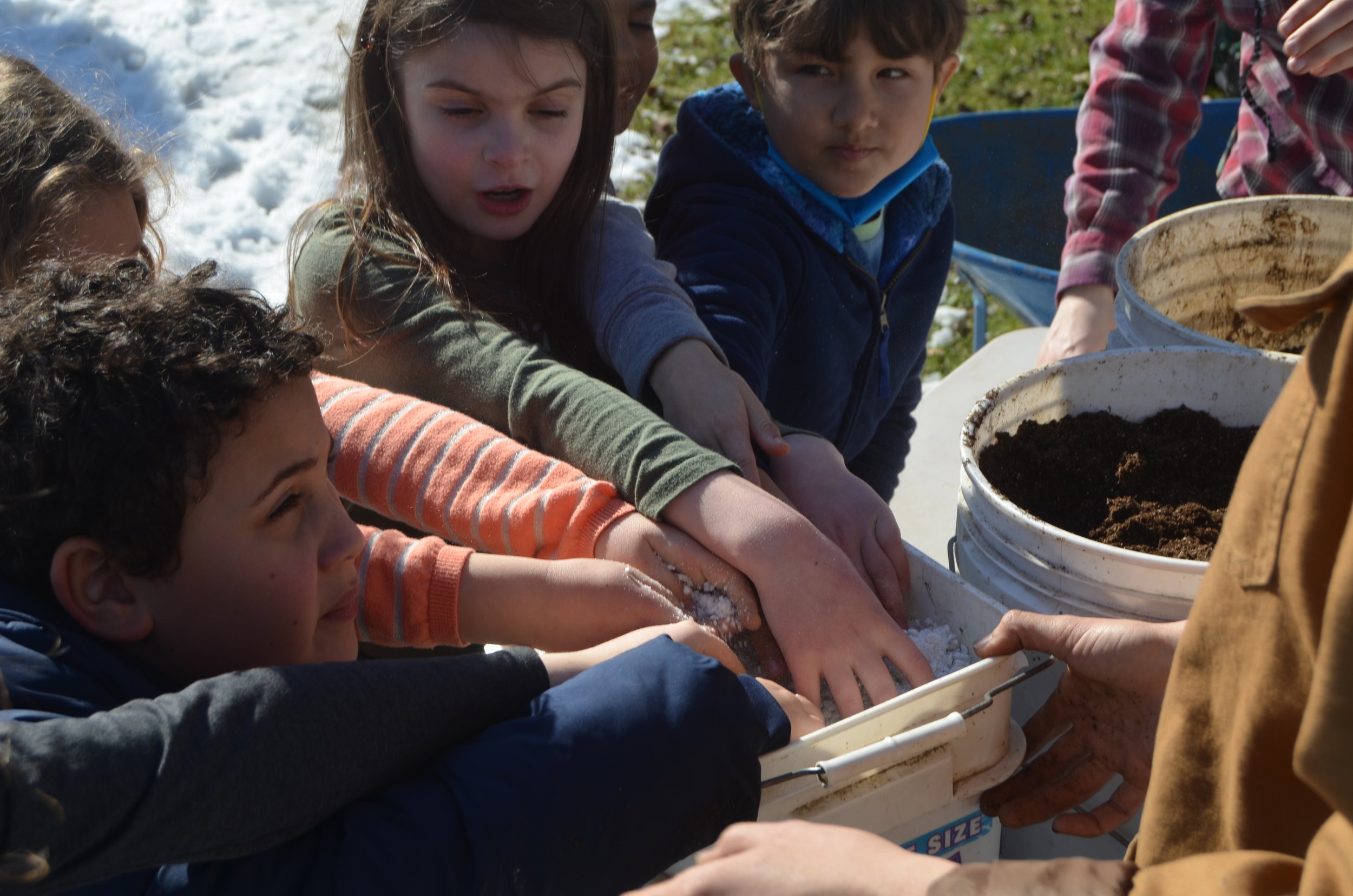
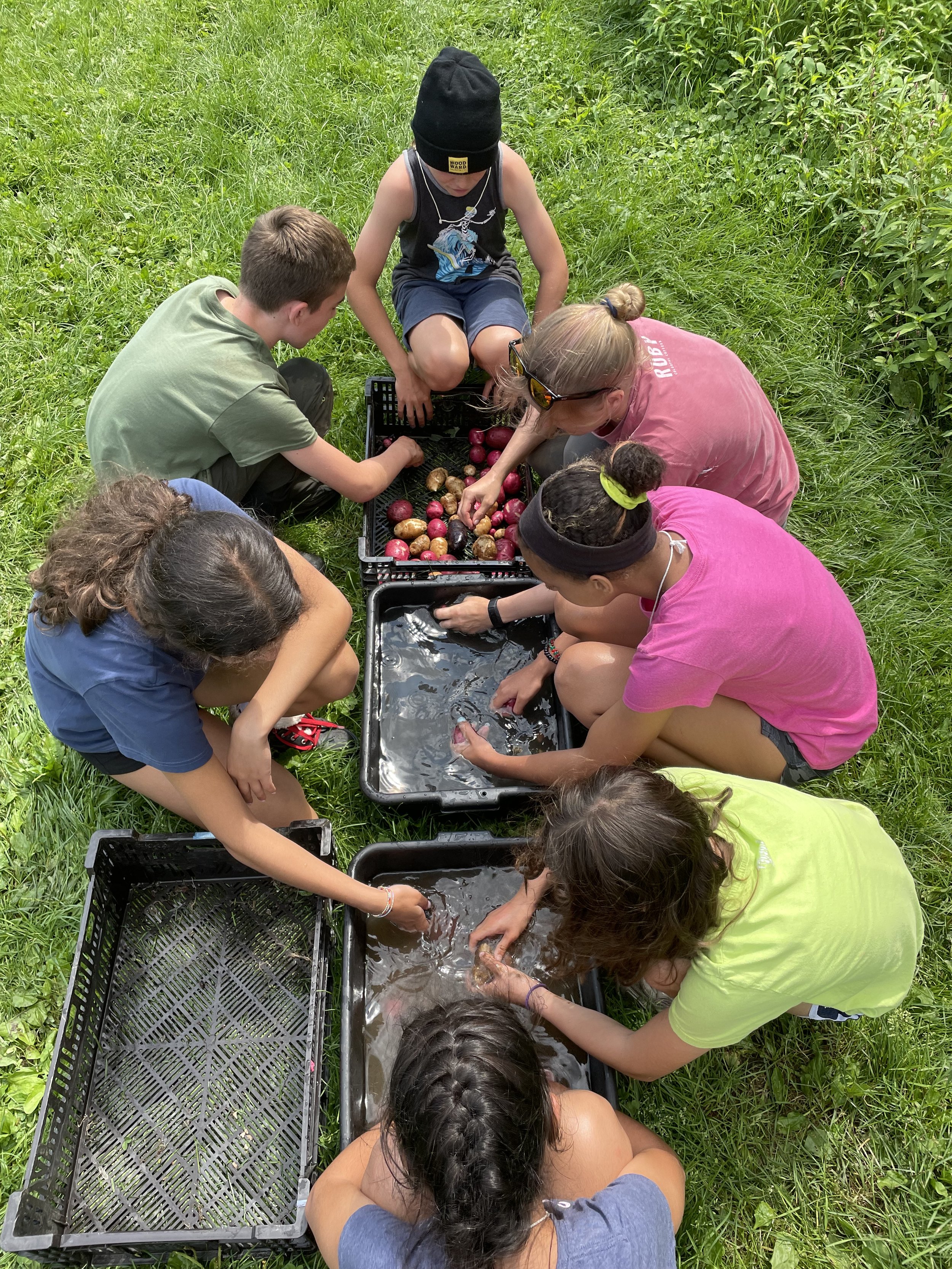
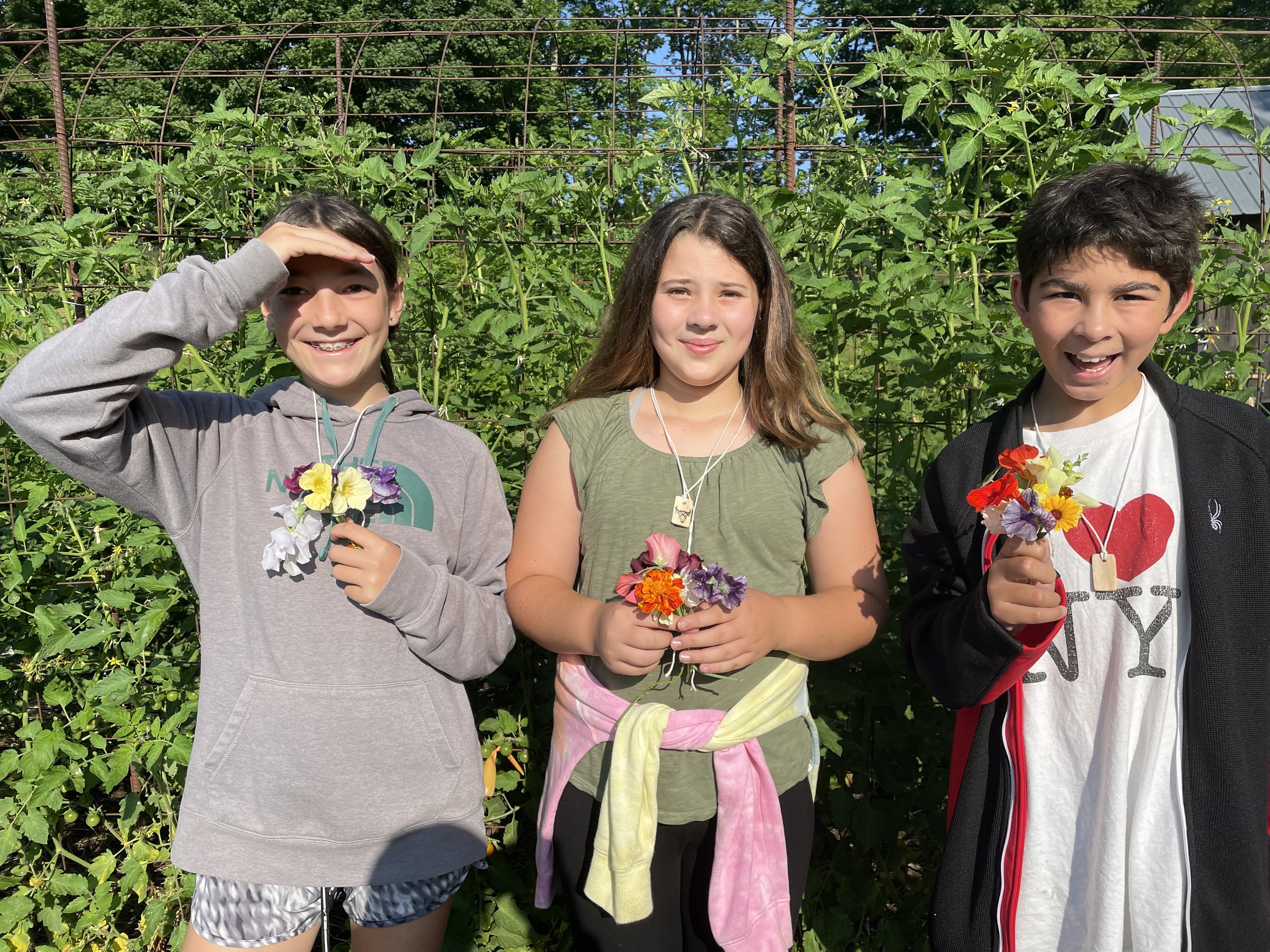
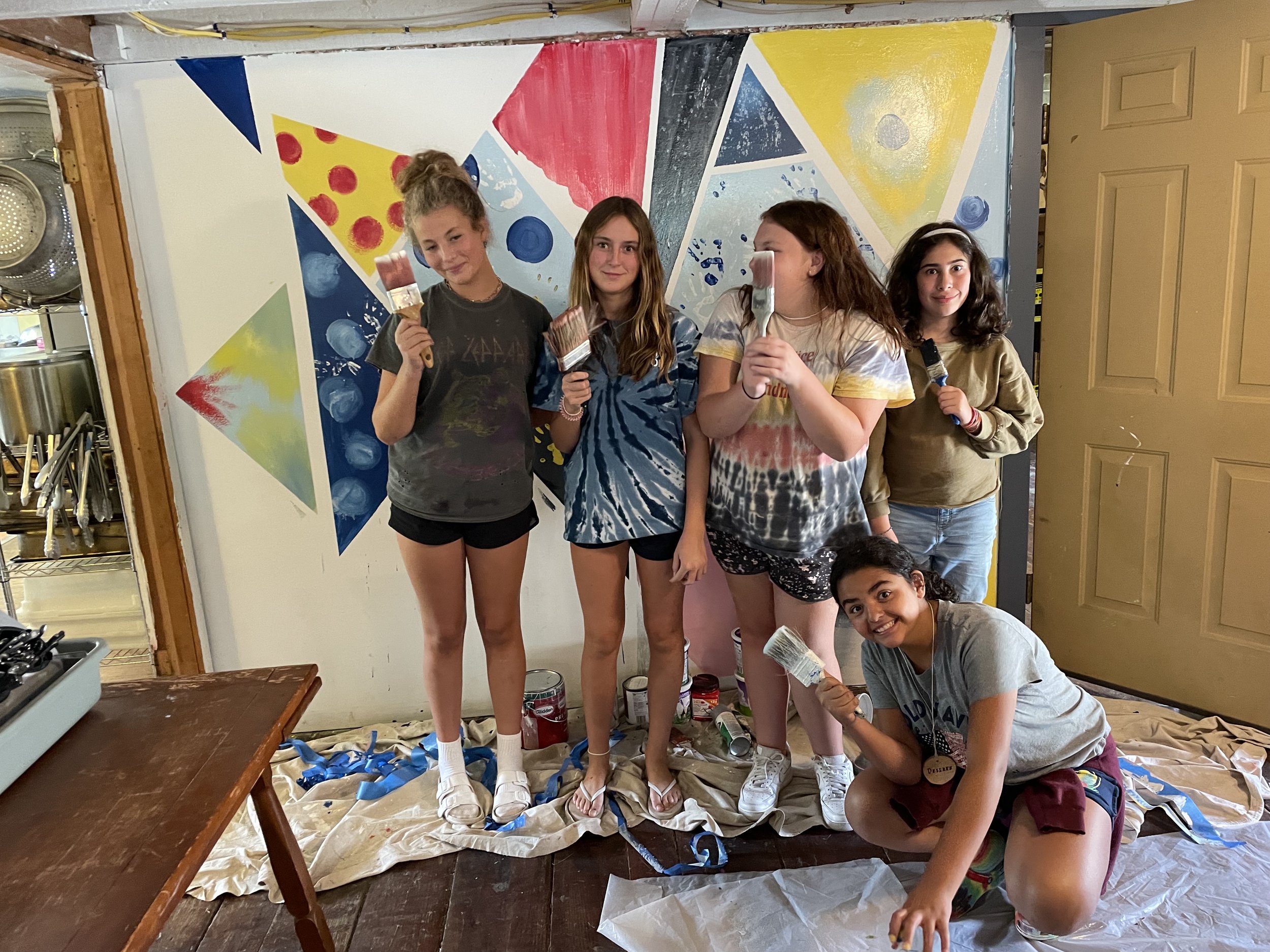
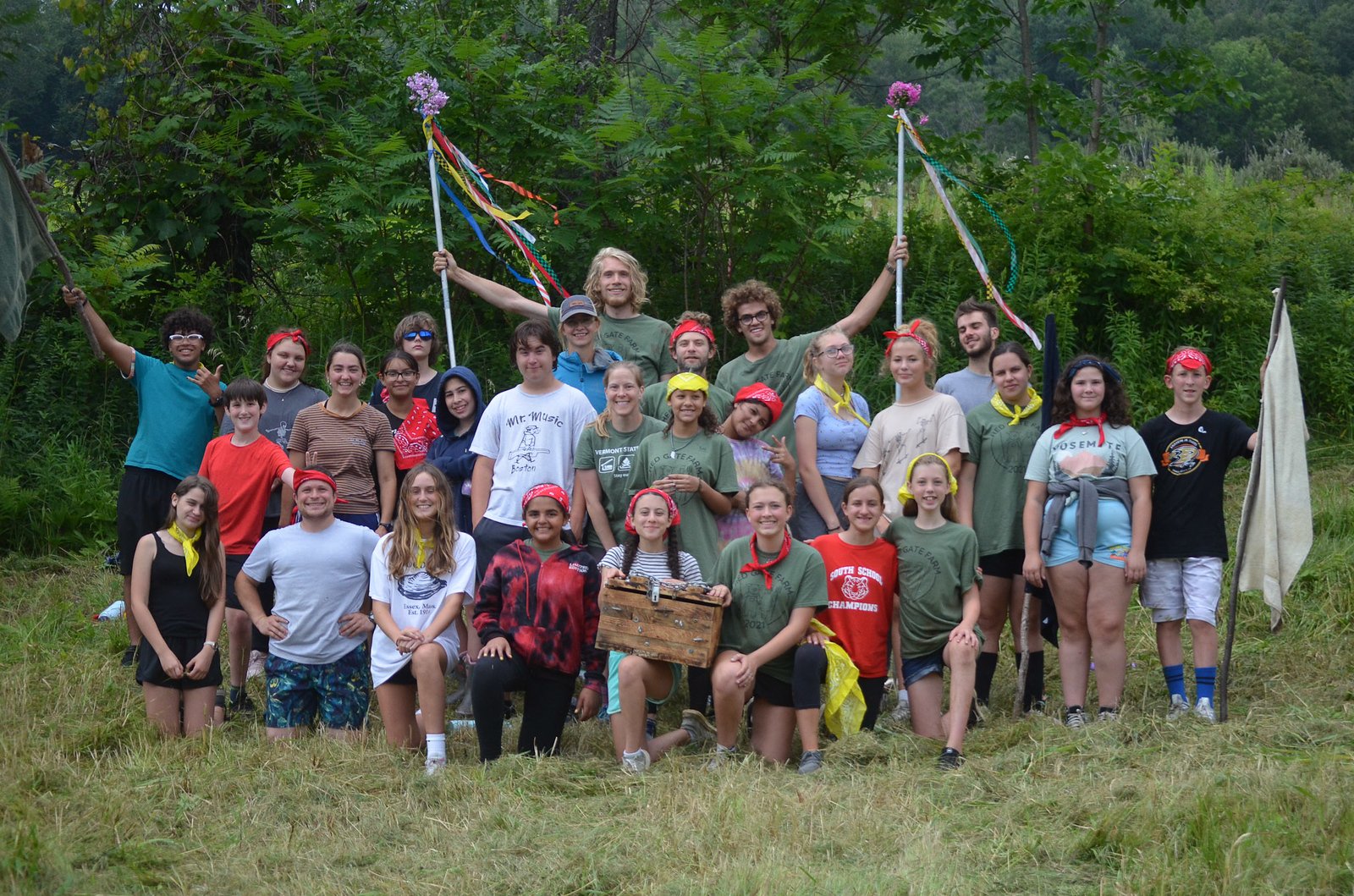
It’s been a great week! Thanks to everyone who joined us for February Vacation this year! Here’s a little peak at some of the fun we had.

Families on the Farm

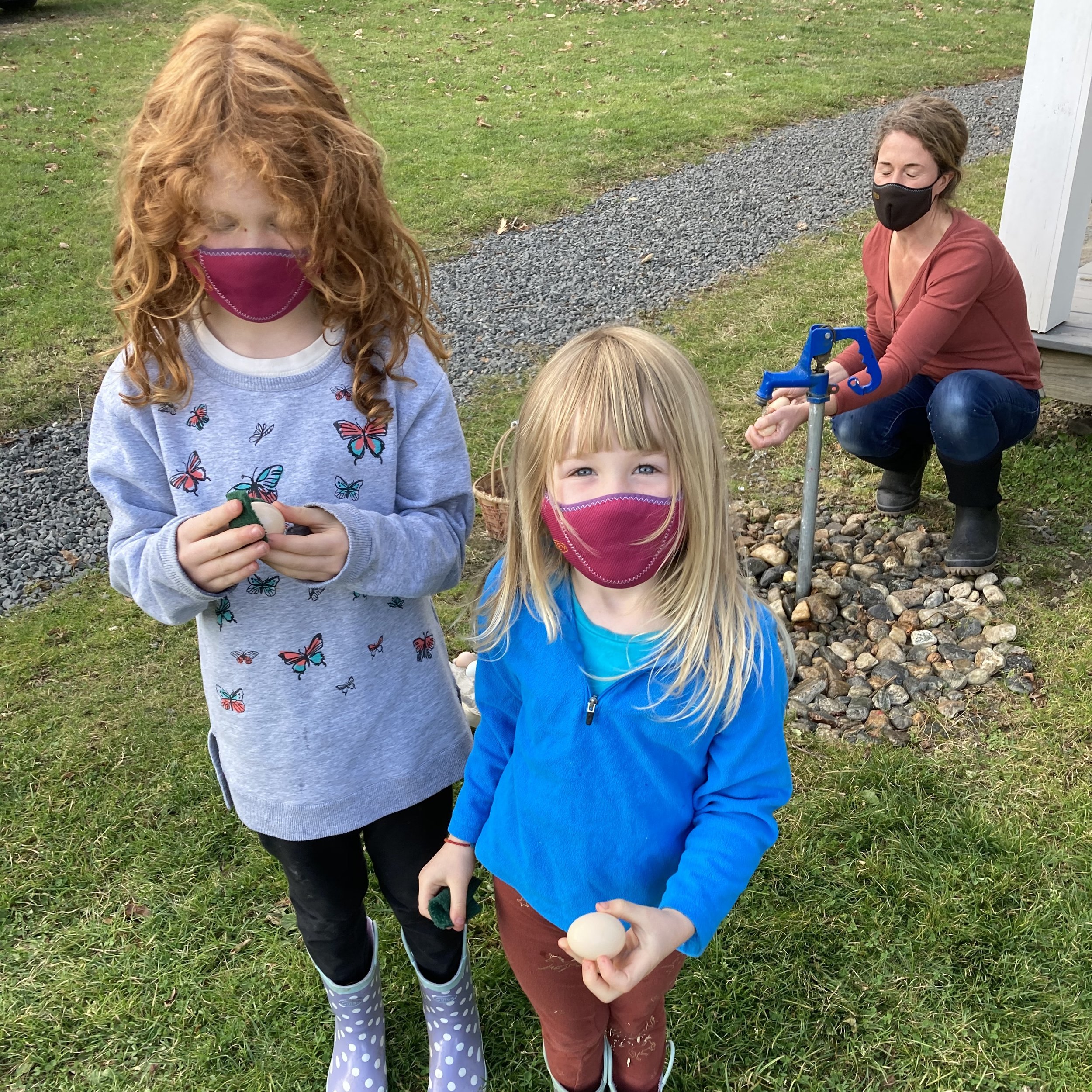
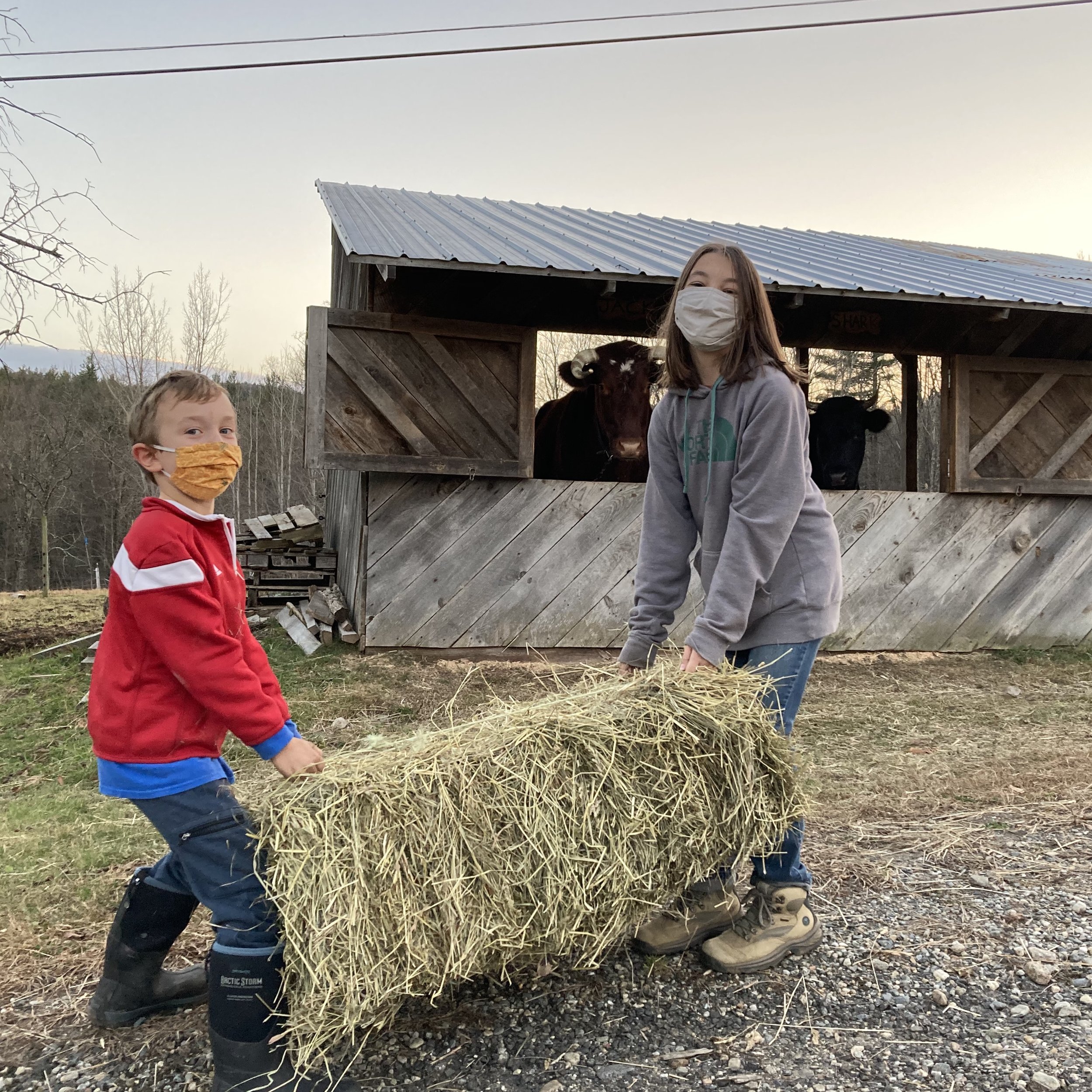
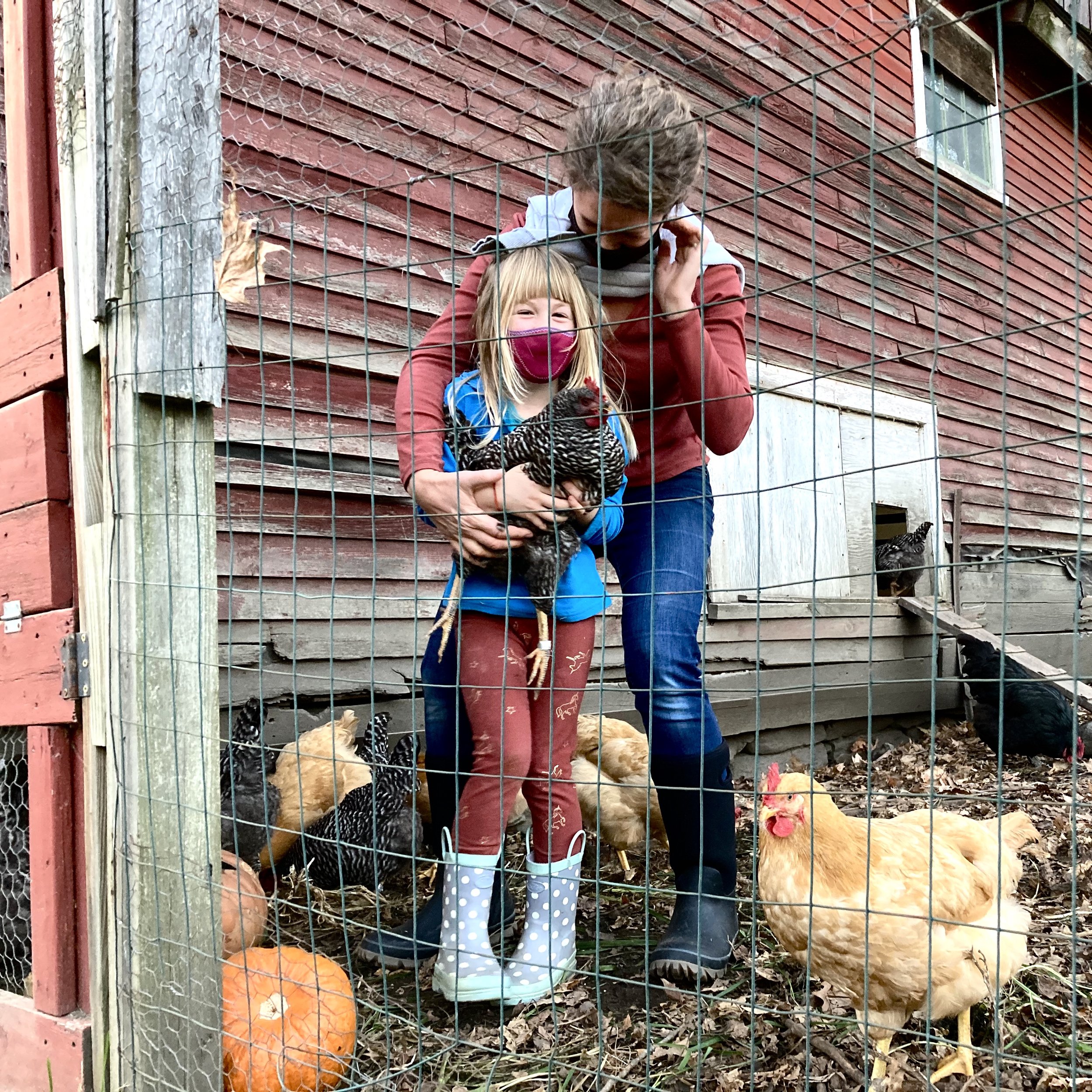
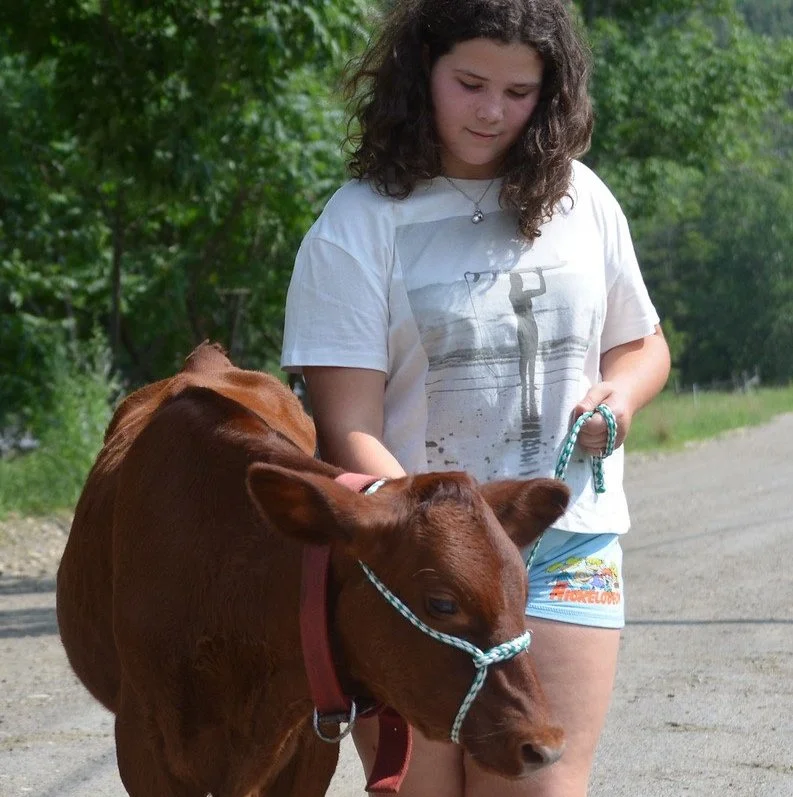
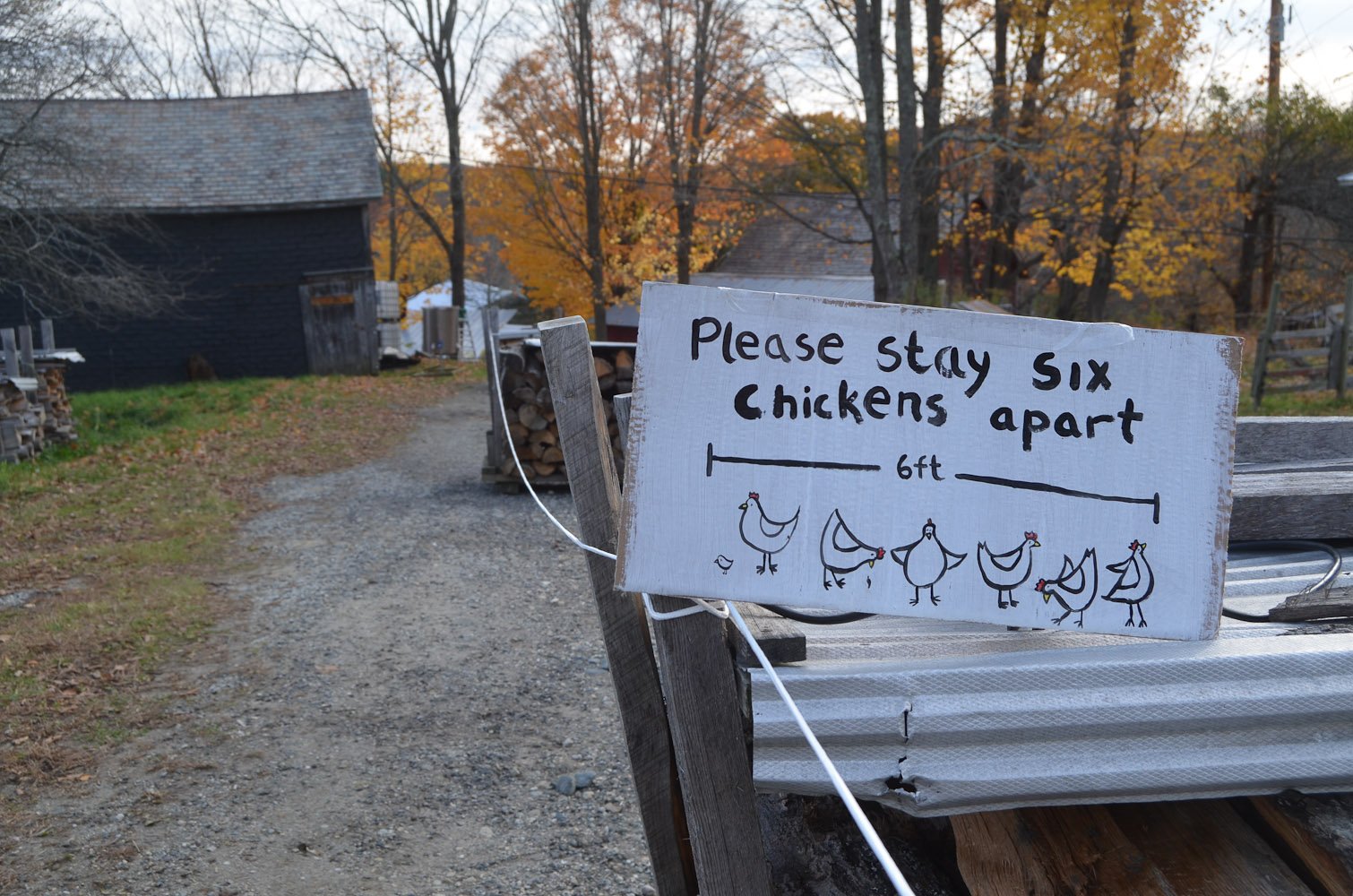
We started the Families on the Farm program in October of 2020, six grueling months into the pandemic. We wanted to have kids back on the farm, we wanted to connect to our community, we wanted everyone to feel safe. We decided we’d run a small, simple program where families would be invited to help a staff member do chores. We’d limit the program to one to two families at a time, and we’d ask parents to accompany their children in case they needed help. We would all be masked, we would stay socially distant. 

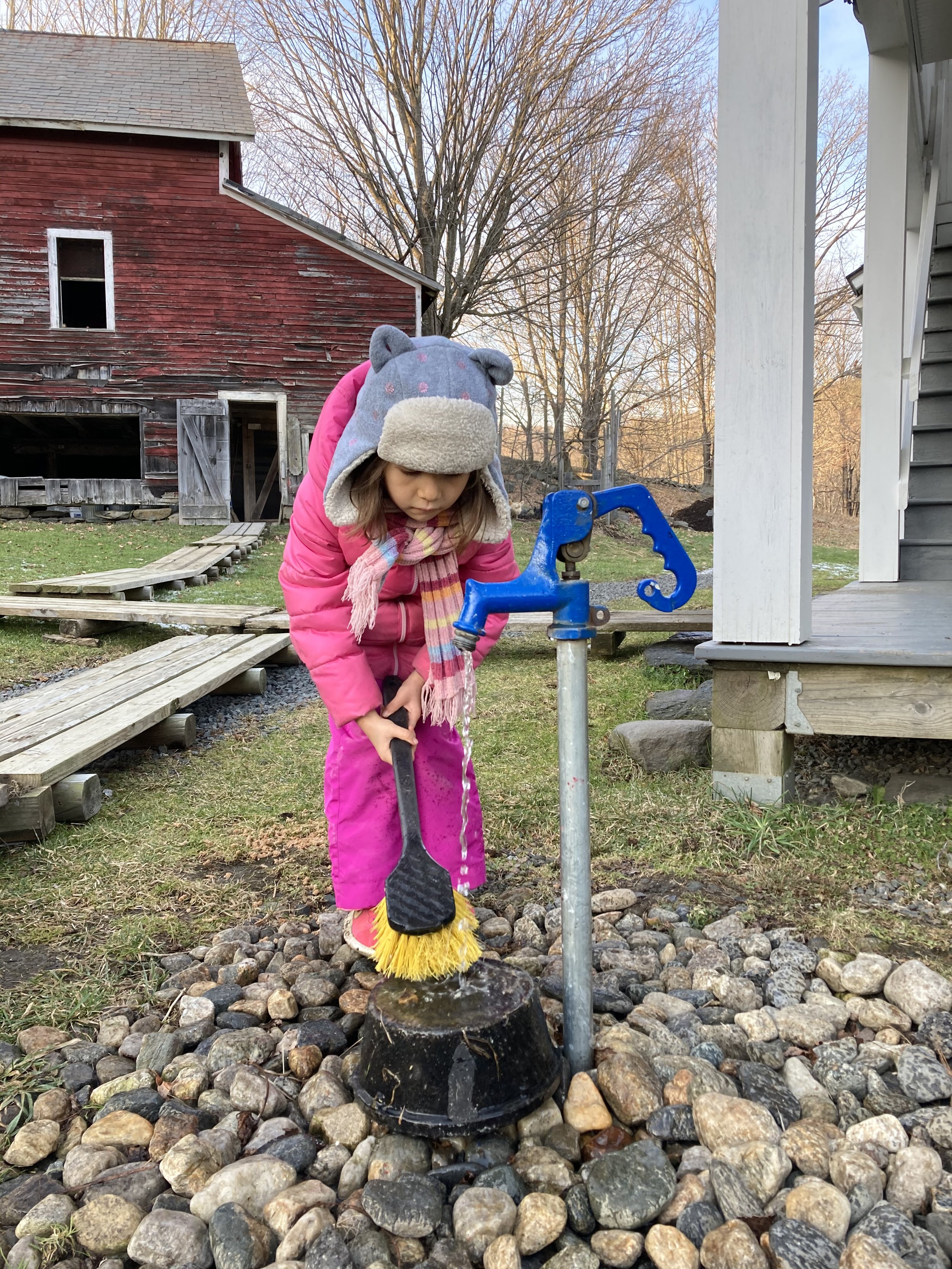
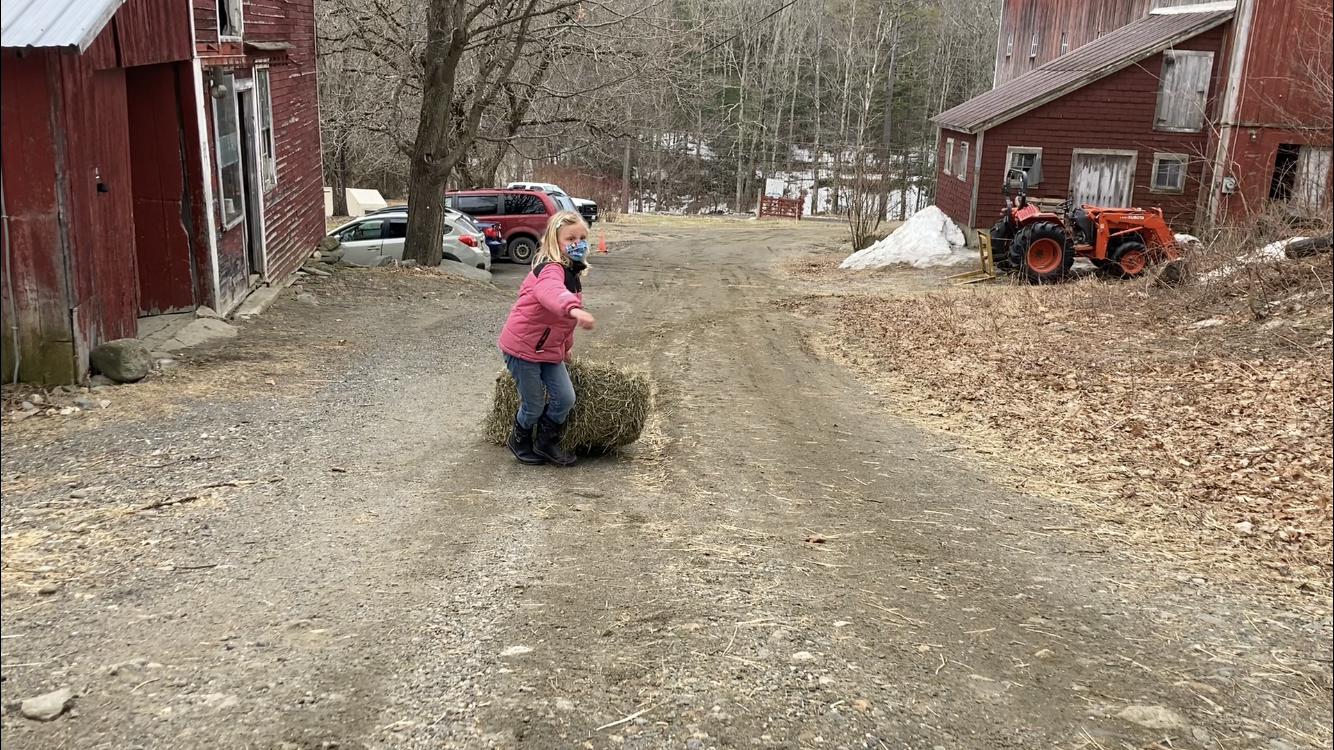
I remember running Families on the Farm back then–the whole thing was very fun, very funny. How do you explain a quick release hose from six feet away? Or help carry a bale of hay? Or herd sheep? With a lot of detailed instructions, patience, and laughter. Parents stepped up to help when needed, but also spent a good amount of time blown away watching their kids lug full-sized bales of hay up hills, muck stalls, and scrub water dishes (“she’d never do that at home…” one mom whispered to me). 

Just over a year later, we’re still running Families on the Farm. We’ve eased up on the masking and social distancing, but we’ve decided to keep many other elements the same. We love the small, intimate nature of this program. It’s  a great way for us to get to know families. Jody Hopp runs the Families on the Farm now. She appreciates the one-on-one time with the families.

It’s sweet and the interactions between kids and parents as they work together feel really meaningful. I think parents are surprised by the care and attentiveness their kids show while working with the animals–especially the larger ones!
— Jody Hopp, RGF Program Director

Interested in coming out to help with chores? We’d love to see you! You can find out more about Families on the Farm on our program page.

Garden Journal: Sneaky Sneaky

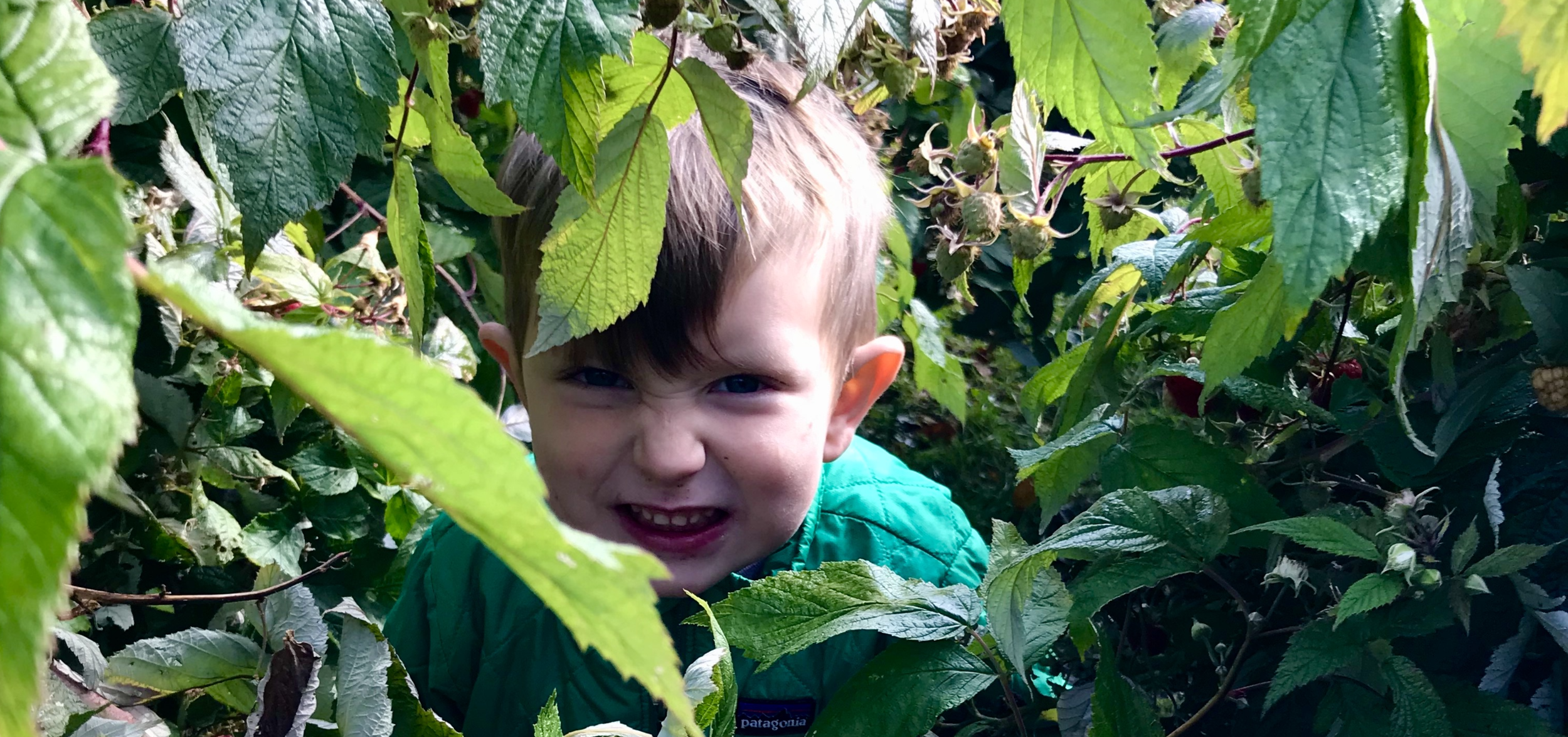
Sneaking through the raspberry canes

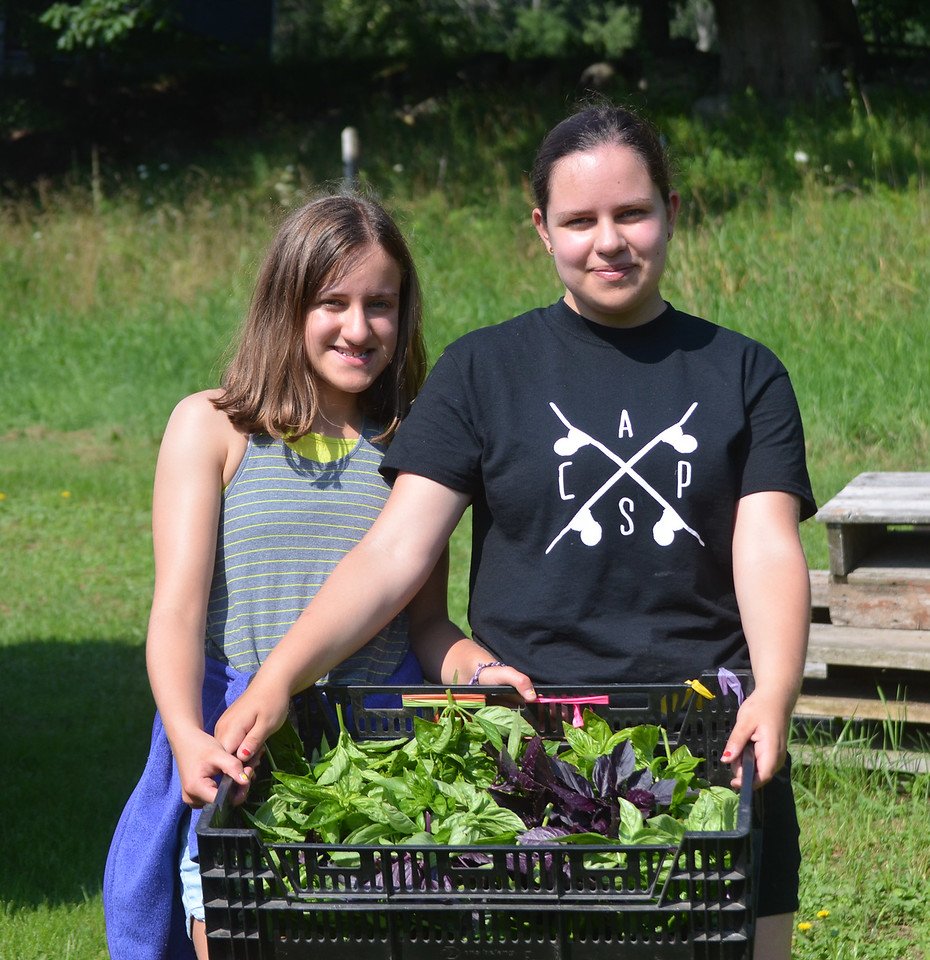
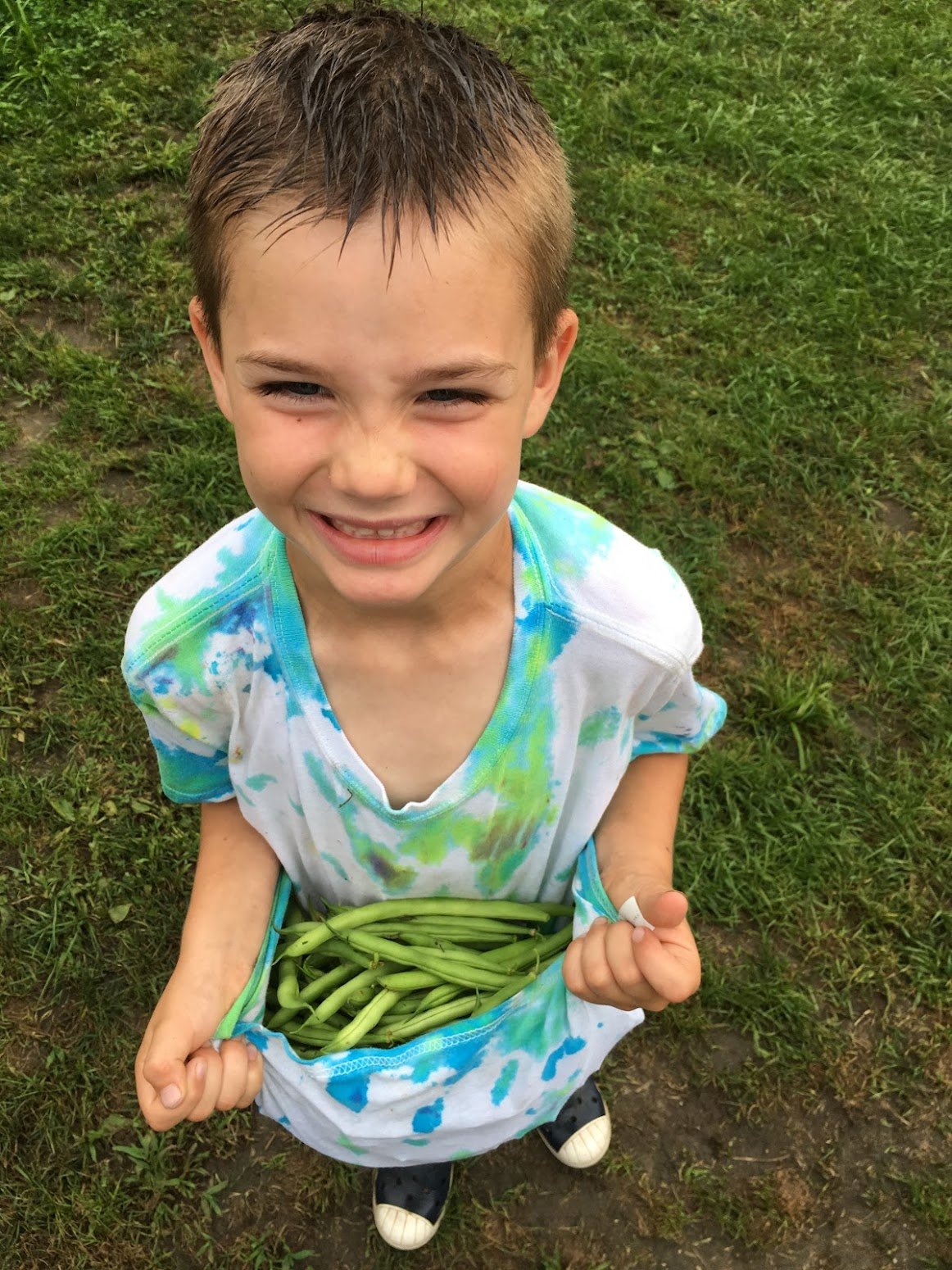
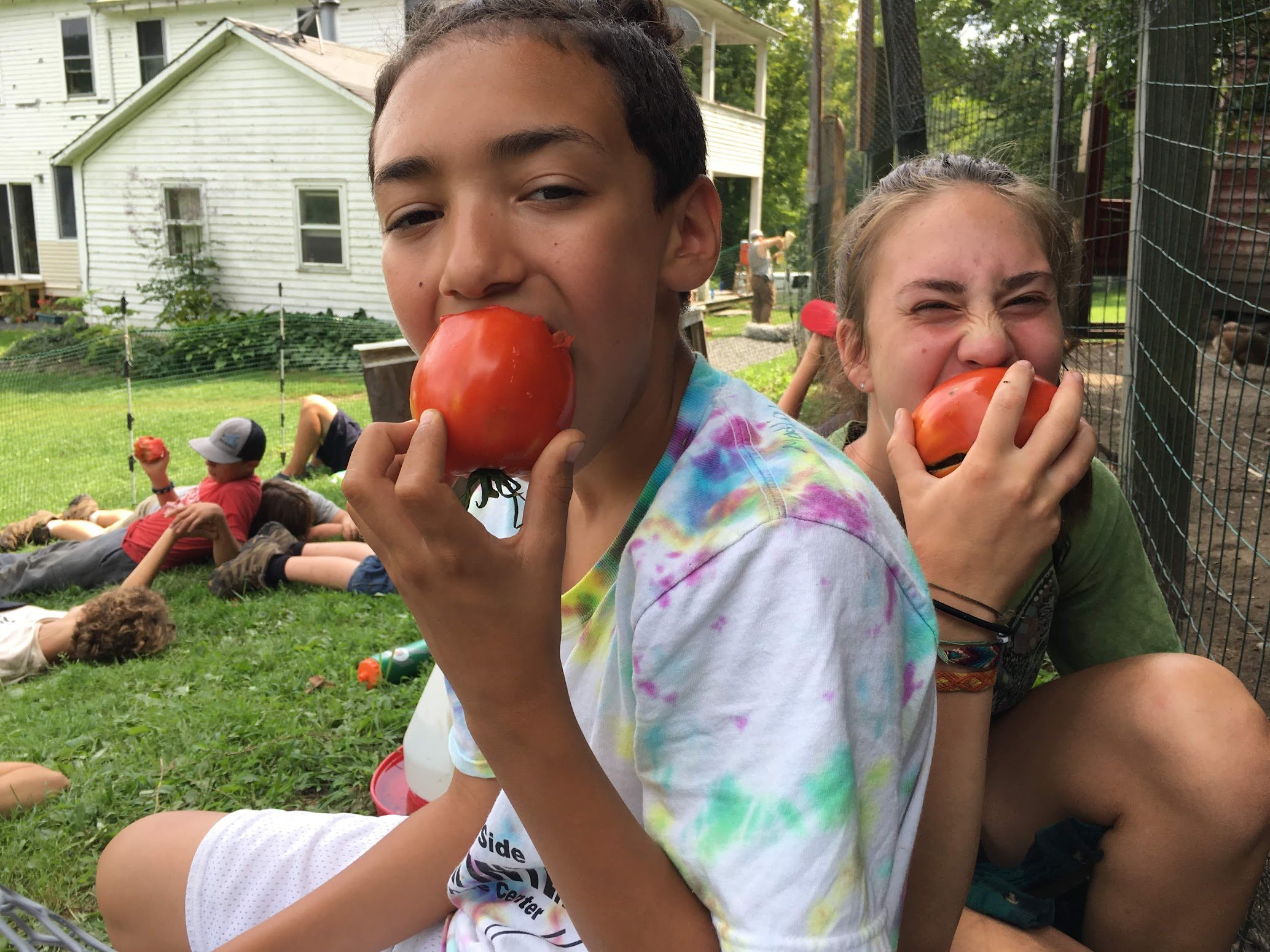
Here’s something I love: students sneaking fruits and vegetables from the garden. I can understand Mr. Mcgreggor’s aversion to rabbits, but even he would have succumbed to the sweetness of a five-year-old playing coy about the six carrots he has stuffed in a single tiny pants pocket. Or the 7-year-old with tell-tale sticky blue fingers. Or the 10-year-old who has disappeared in the sugar-snap-peas for the third time.  
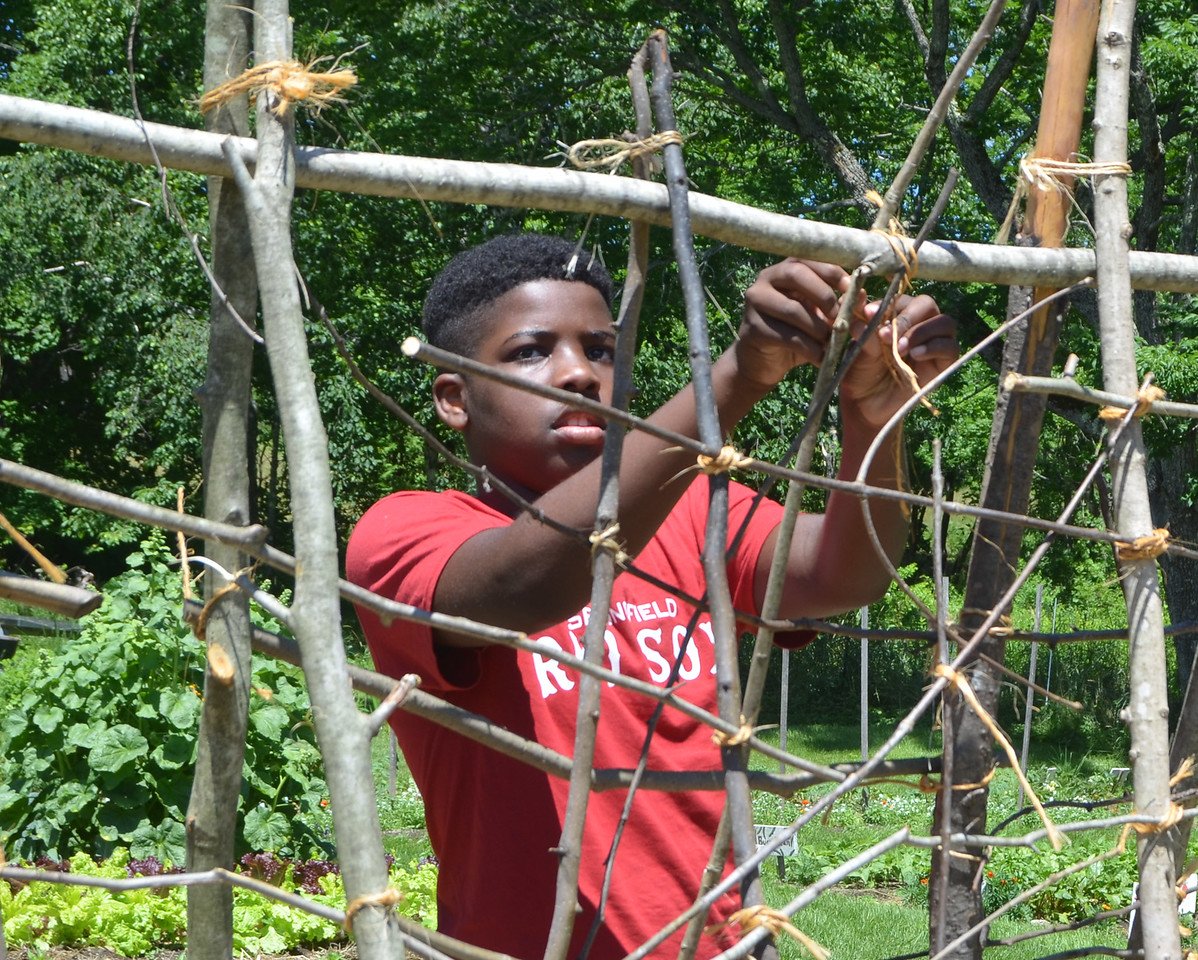
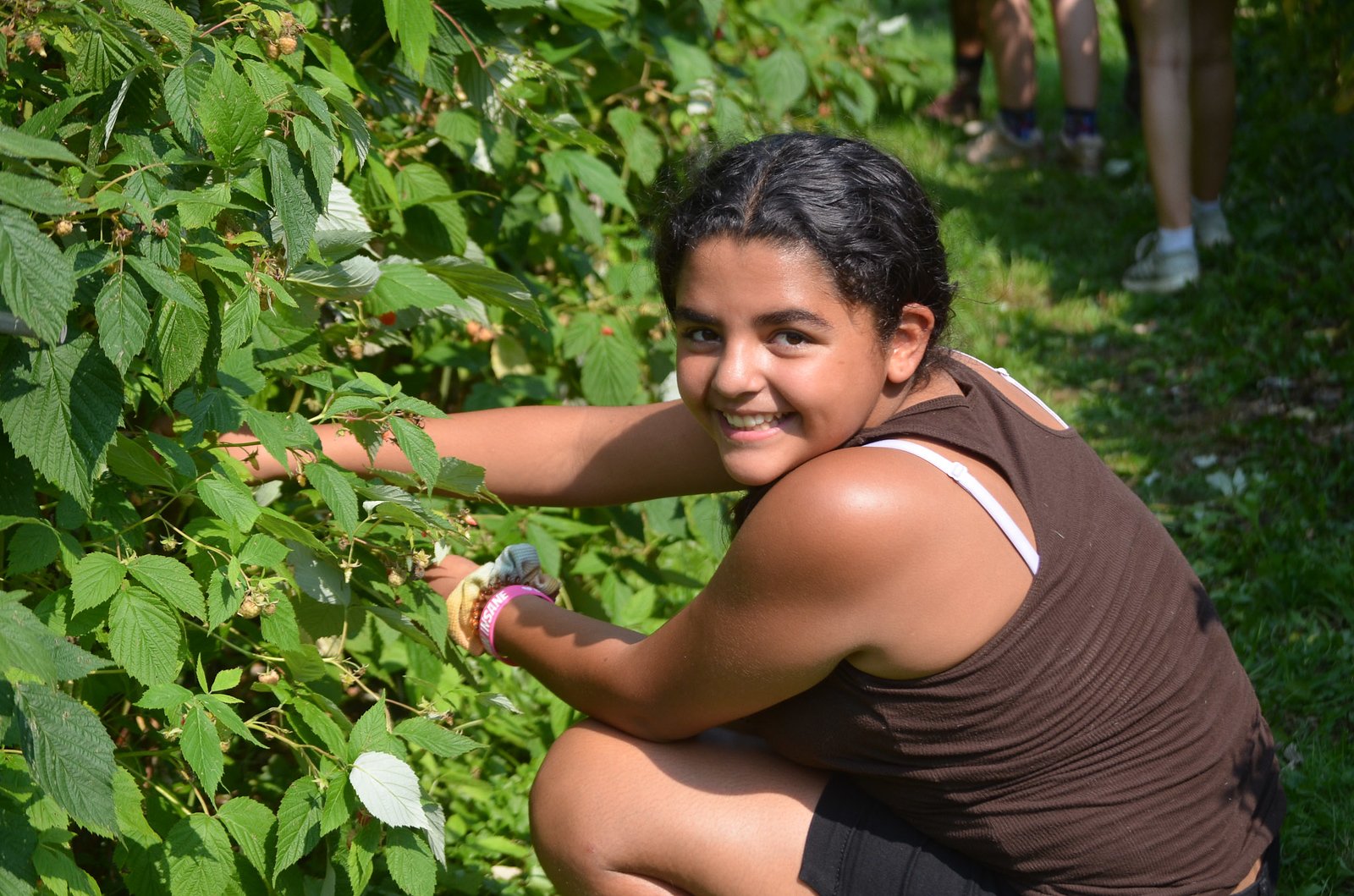
Most students I discover with cheeks stuffed like chipmunks have a certain gleam in their eyes. They are thrilled by their own audacity. The carrot in their hand is an illicit treasure, a cookie from the cookie jar, and they’ve been bold enough to it take from right under my nose. In these cases, I like to play along:

 “Hey you! What’s that I see in your hand, huh?!”

They try to hide it, I pretend to be horrified:

 “A CARROT. You’re eating a CARROT? The HORROR! How could you!” 

I throw my arms, I gnash my teeth, I faint! The performance is rewarded with big messy grins on dirty faces, and a half-dozen more carrots missing from bed 23. 

Some students do not gleam when caught. They look down, they frown. These students, I reassure. “I’m so glad you found the carrots! Will you pick one for me?” We hangout and eat together. We pick more for our friends and teachers. We throw blueberries high in the air and catch them in our mouths, we try strawberries wrapped in mint leaves, we slice a beet in two and use the pieces to cover our arms in polka-dots.

In the end, every student who works in the garden knows they can snack, taste test, and feast to their heart's content. I’m sure Mr. Mcgreggor would be aghast, but I couldn't be happier to see the things I grow consumed with wild and reckless abandon.

Maple Sugaring Apprentice - Week Four

This week was very similar to last. I spent the majority of my time in the sugar house, feeding the fire, and making sure that all was well with the pan and the sap levels. We boiled every day this week except on Tuesday, because of the weather. We had started the fire, and had just gotten things setup, but then it got really windy and Ben explained to me that in years past they have had trouble with the wind. In order for the draft to move the evaporator steam out of the sugar house, the door must stay partly open at all times, and if it gets very windy out, salt and sand off the road can blow in and contaminate the syrup which would ruin the entire batch. So that is why we were not able to continue on Thursday.

Something I noticed was that the front pan, which does most of the evaporation, has gotten much darker since last week. The sap has turned a more caramel color. There are two main reasons for this: one is that the more the pan is used throughout the season, the more heating and reheating of sap goes on, and now that we are midway through the season, the pan has been stained with burnt sugars and a mineral substance called “sugar sand.”  The other reason is that the later in the season, the darker the sap becomes as it matures in the trees. The sap gets a green tinge to it. So that is why I noticed the darker color that has formed.

I was able to get a lot of progress on my tree mapping project this week, and I am in a place, where I can easily finish next week, which is my last week on the farm.  I am excited to get another week of collecting and boiling.